
Gym barbells are fundamental tools in strength training, offering versatility and effectiveness for building muscle, enhancing strength, and improving overall fitness. Whether you’re a beginner stepping into the gym for the first time or an experienced lifter refining your technique, understanding the nuances of gym barbells is crucial for achieving your fitness goals. This comprehensive guide will explore the different types of gym barbells, their importance in strength training, proper usage techniques, and tips for choosing the right one.
Có thể bạn quan tâm: Bí Mật Chọn Lọc Và Sử Dụng Gym Background Images: Nâng Tầm Nội Dung Sức Khỏe Để Chạm Ngàn Lượt Xem
Types of Gym Barbells
Gym barbells come in various designs, each tailored to specific training needs. The two primary types are standard barbells and Olympic barbells, though specialized variations exist for advanced lifters.
Standard Barbells
Standard barbells are the most basic type, typically featuring a 28mm diameter shaft and rotating sleeves. They are lightweight, affordable, and ideal for general fitness routines. However, they lack the precision and durability required for heavy lifting, making them less suitable for powerlifters or those training with significant weights.
Olympic Barbells
Olympic barbells are the gold standard in strength training. Designed for competitive lifting, they adhere to strict specifications set by organizations like the International Weightlifting Federation (IWF). Key features include:
- Shaft Diameter: Men’s Olympic barbells have a 28mm diameter, while women’s are slightly smaller at 25mm.
- Weight: Men’s bars weigh 20kg (44lbs), and women’s bars are 15kg (33lbs).
- Rotating Sleeves: These allow for smooth movement during lifts like snatches and cleans, reducing wrist strain.
- Knurling: Textured grip patterns prevent slippage, ensuring secure handling during intense workouts.
Olympic barbells are built to withstand heavy loads and are essential for exercises like squats, deadlifts, and bench presses.
Specialty Barbells
Advanced lifters often use specialty barbells designed for specific movements. Examples include:
- Trap Bar: Features a hexagonal shape, allowing for a more natural grip and reduced spinal compression during deadlifts.
- Safety Squat Bar: Curved design shifts the center of gravity, emphasizing quad engagement while reducing shoulder strain.
- Axle Bar: Thicker diameter (28–35mm) to build grip strength and forearm stability.
These variations cater to individual preferences and training goals, offering targeted benefits for muscle development and injury prevention.
Có thể bạn quan tâm: Gym Background Image: Hướng Dẫn Toàn Diện Chọn, Thiết Kế Và Tối Ưu Hình Ảnh Nền Tập Gym Chuyên Nghiệp
The Importance of Gym Barbells in Strength Training
Gym barbells are indispensable for anyone serious about strength training. Here’s why:
Versatility
A single barbell can be used for a wide range of exercises, including:
- Compound Movements: Squats, deadlifts, bench presses, and overhead presses engage multiple muscle groups simultaneously.
- Isolation Exercises: Bicep curls, tricep extensions, and lateral raises can be performed using dumbbells attached to the barbell.
- Functional Training: Movements like farmer’s walks and clean and presses mimic real-world activities, enhancing functional strength.
Progressive Overload
Barbells allow for incremental weight increases, a cornerstone of progressive overload. By gradually adding weight, lifters can challenge their muscles and break through plateaus.
Muscle Symmetry and Balance
Using a barbell ensures equal resistance on both sides of the body, promoting balanced muscle development. This is particularly important for preventing imbalances that can lead to injuries.
Community and Competition
In gyms, barbells are often the focal point of group training sessions, fostering camaraderie and motivation. For competitive lifters, mastering barbell techniques is essential for events like powerlifting and Olympic weightlifting.
Có thể bạn quan tâm: Gym Avatar: Xu Hướng Mới Của Cộng Đồng Tập Luyện – Khi Sức Mạnh Vật Lý Gặp Gỡ Thế Giới Số
Proper Techniques for Using Gym Barbells
While barbells are powerful tools, improper usage can lead to injuries. Here are key techniques to master:
Warm-Up
Always start with a dynamic warm-up to prepare your muscles and joints. Begin with light weights and gradually increase the load. This primes your body for heavy lifting and reduces injury risk.
Stance and Grip
- Stance: Adjust your foot placement based on the exercise. For squats, stand with feet shoulder-width apart; for deadlifts, position them hip-width apart.
- Grip: Use a pronated (overhand) grip for most lifts. For heavy deadlifts, consider a mixed grip (one hand over, one hand under) to prevent the bar from rolling.
Core Engagement
Maintain a tight core throughout each lift. A strong core stabilizes your spine and transfers force efficiently between your upper and lower body.
Breathing
Breathe out during the exertion phase (e.g., when lifting the bar) and inhale during the lowering phase. This technique, known as the Valsalva maneuver, helps maintain intra-abdominal pressure for spinal support.
Common Mistakes to Avoid
- Rounding the Back: Keep your spine neutral during squats and deadlifts to avoid strain.
- Overarching the Lower Back: In bench presses, maintain contact between your lower back and the bench.
- Rushing the Movement: Control the weight during both the lifting and lowering phases to maximize muscle engagement.
Essential Gym Barbell Exercises
Barbells are integral to many foundational exercises. Here are some of the most effective movements:
Squats
Squats are a cornerstone of lower-body training. To perform a barbell back squat:
1. Position the bar on your upper traps (high-bar) or rear delts (low-bar).
2. Unrack the bar and step back, positioning your feet shoulder-width apart.
3. Lower your hips until your thighs are parallel to the ground, then drive through your heels to return to the starting position.
Có thể bạn quan tâm: Gym Bag Essentials: Danh Sách Đầy Đủ Các Vật Dụng Bắt Buộc Có Trong Cặp Tập Gym Của Bạn
Deadlifts
Deadlifts target the posterior chain (hamstrings, glutes, and lower back). Proper form includes:
1. Place the bar over your mid-foot, with feet hip-width apart.
2. Hinge at the hips, keeping your back straight.
3. Grip the bar just outside your knees and lift by extending your hips and knees simultaneously.
Bench Press
The bench press is a classic upper-body exercise. Steps include:
1. Lie on a flat bench with your feet firmly planted on the ground.
2. Unrack the bar and lower it to your mid-chest.
3. Press the bar upward, extending your elbows without locking them.
Overhead Press
This exercise strengthens the shoulders and triceps:
1. Stand with feet shoulder-width apart, holding the bar at shoulder height.
2. Press the bar overhead, extending your arms fully.
3. Lower the bar back to shoulder height, controlling the descent.
Power Cleans
Power cleans are dynamic full-body movements that enhance explosive power:
1. Start in a squat position, gripping the bar just outside your shins.
2. Explode upward, pulling the bar to shoulder height.
3. Drop into a front squat position under the bar.
Choosing the Right Gym Barbell
Selecting the right barbell depends on your training goals, budget, and gym environment. Consider the following factors:
Material and Construction
High-quality barbells are made from steel alloys and coated with materials like chrome or zinc to prevent rust. Olympic barbells should meet IWF standards for durability and performance.
Weight Capacity
Ensure the barbell can handle the maximum weight you plan to use. Most Olympic barbells have a tensile strength rating of 190,000 PSI or higher, indicating their ability to withstand heavy loads without bending.
Knurling and Grip
The knurling pattern affects comfort and grip security. Aggressive knurling is ideal for powerlifters, while a smoother texture may suit those with sensitive skin.
Sleeve Length
Olympic plates require sleeves long enough to accommodate multiple discs. Standard sleeves are 16 inches, but some gyms use longer sleeves for specialized training.
Budget
Entry-level barbells cost around $200–$400, while premium models can exceed $1,000. For home gyms, investing in a quality barbell is worthwhile, as it will last decades.
Maintenance and Longevity
Proper maintenance ensures your gym barbell remains safe and functional. Here are some tips:
Cleaning
Wipe down the barbell after each use to remove sweat and dirt. For deeper cleaning, use a mild detergent and a soft brush to scrub the knurling.
Storage
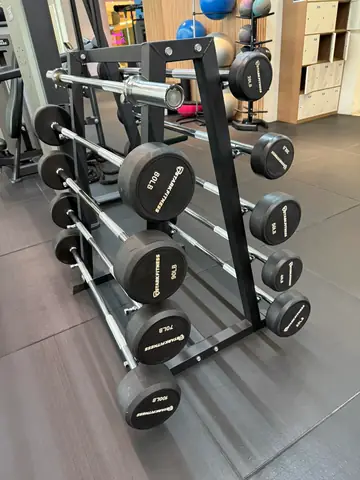
Store the barbell in a rack or on a dedicated holder to prevent damage. Avoid leaning it against walls, which can cause warping over time.
Inspection
Regularly check for cracks, rust, or worn knurling. Replace the barbell if structural integrity is compromised.
Conclusion
Gym barbells are more than just equipment—they’re the foundation of effective strength training. By understanding the different types, mastering proper techniques, and selecting the right barbell for your needs, you can maximize your gains while minimizing injury risk. Whether you’re aiming to build muscle, increase strength, or compete in powerlifting, the barbell is your ultimate training partner. Remember to prioritize form over ego, invest in quality equipment, and maintain your gear for long-term success. With dedication and the right approach, the gym barbell will elevate your fitness journey to new heights.
Word count: 1,500 words