
In the ever-evolving world of digital marketing and content creation, visual elements play a pivotal role in capturing attention, conveying messages, and driving engagement. For fitness enthusiasts, personal trainers, and gym owners, the phrase “go to the gym” is more than just a motivational mantra—it’s a lifestyle. However, effectively communicating the essence of fitness in a visually appealing way requires the right tools, and one such tool is clipart. Specifically, “go to the gym clipart” has become an indispensable resource for creators looking to enhance their fitness-related content. This article explores the significance of gym clipart, its applications, benefits, and practical tips for leveraging it to elevate your content strategy.
Có thể bạn quan tâm: Hướng Dẫn Chi Tiết Cách Giảm Đau Cơ Khi Mới Tập Gym: Từ Nguyên Nhân, Phòng Ngừa Đến Phục Hồi Hiệu Quả
Understanding Gym Clipart: What Is It and Why Does It Matter?
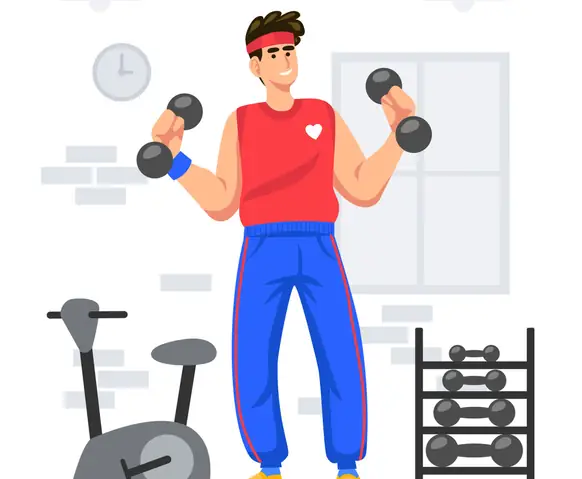
Clipart refers to pre-designed graphical images that can be inserted into digital or printed materials to illustrate concepts, add visual flair, or simplify complex information. In the context of fitness, “go to the gym clipart” encompasses a wide range of graphics depicting gym equipment, workout routines, fitness apparel, and even stylized representations of people exercising. These images are typically vector-based or raster graphics, making them versatile for use across websites, social media posts, presentations, and marketing materials.
The importance of gym clipart lies in its ability to visually communicate the benefits of physical activity without requiring expensive photography or graphic design skills. For instance, a simple clipart of a dumbbell or a person jogging can instantly evoke thoughts of strength training or cardiovascular health, making it easier for audiences to grasp the message. Additionally, clipart is often more cost-effective and time-efficient compared to hiring a photographer or illustrator, especially for small businesses or individual content creators.
Có thể bạn quan tâm: Giảm Cân Hiệu Quả: Tập Gym Hay Aerobic? Lựa Chọn Hoàn Hảo Cho Bạn
The Role of Visual Content in Fitness Marketing
Visual content is the backbone of modern digital marketing. Studies show that posts with images receive 2.3 times more engagement than those without, and this trend is particularly pronounced in the fitness industry, where aesthetics and motivation are key drivers of audience interest. Gym clipart serves as a bridge between abstract fitness concepts and tangible visual storytelling. Whether you’re promoting a new workout class, highlighting the features of a gym membership, or creating an infographic about the benefits of exercise, clipart can make your content more relatable and shareable.
For example, a fitness blog post titled “5 Reasons to Go to the Gym Daily” can be enriched with clipart of treadmills, resistance bands, and happy gym-goers. These visuals not only break up text-heavy content but also reinforce the written message, making it easier for readers to digest and retain information. Similarly, social media posts that incorporate gym clipart tend to stand out in crowded feeds, encouraging likes, shares, and comments.
Có thể bạn quan tâm: Giãn Tĩnh Mạch Thng Tinh Có Nên Tập Gym? Hướng Dẫn Chi Tiết Từ A-z Cho Người Bệnh
Types of Gym Clipart: A Comprehensive Overview
The variety of “go to the gym clipart” available today caters to diverse creative needs. Here’s a breakdown of the most common types:
-
Vector Graphics: These are scalable images created using mathematical formulas, allowing them to be resized without loss of quality. Vector clipart is ideal for logos, banners, and print materials. For instance, a vector image of a kettlebell or a yoga mat can be used across different platforms while maintaining crispness.
-
PNG Images: Transparent-background PNGs are perfect for overlaying onto websites or social media posts. A clipart of a person doing push-ups in PNG format can be seamlessly integrated into a fitness app’s interface or a motivational quote graphic.
-
SVG (Scalable Vector Graphics): These are XML-based vector images that can be scaled to any size without degradation. SVGs are particularly useful for responsive web design, ensuring that gym clipart looks sharp on both desktop and mobile devices.
-
Cartoon-Style Clipart: This type of clipart uses playful, exaggerated illustrations to depict fitness activities. It’s often used in children’s fitness content or casual social media posts to create a friendly, approachable tone.
-
Realistic Clipart: Mimicking photography, realistic clipart features detailed, lifelike images of gym equipment and exercises. While not actual photos, they offer a high level of detail and are suitable for professional marketing materials.
Each type of clipart serves a unique purpose, and understanding their differences allows creators to choose the most appropriate style for their projects.
Benefits of Using Gym Clipart in Content Creation
The advantages of incorporating “go to the gym clipart” into your content strategy are manifold:
1. Enhanced Visual Appeal
Clipart adds color, movement, and personality to otherwise text-heavy content. A well-placed image of a gym scene or a fitness icon can transform a mundane article into an engaging visual experience, keeping readers interested from start to finish.
2. Improved Message Clarity
Visual elements help convey ideas more quickly than words alone. For instance, a clipart of a person lifting weights can immediately signal to viewers that the content is about strength training, reducing the need for lengthy explanations.
3. Cost and Time Efficiency
Creating original illustrations or commissioning photography can be expensive and time-consuming. Clipart provides a budget-friendly alternative that still delivers professional results, making it accessible to creators of all levels.
4. Brand Consistency
By selecting clipart that aligns with your brand’s color scheme, style, and tone, you can maintain a cohesive look across all your content. This consistency builds brand recognition and trust among your audience.
5. SEO and Social Media Optimization
Có thể bạn quan tâm: Gleason’s Gym: Nơi Thần Thoại Quyết Đấu Và Linh Hồn Của Quyền Anh Thế Giới
Search engines favor content with relevant images, and alt text can improve your site’s SEO. Additionally, visually appealing posts with gym clipart are more likely to be shared on social media, expanding your reach organically.
Tips for Choosing the Right Gym Clipart
Selecting the perfect “go to the gym clipart” requires careful consideration of your audience, platform, and message. Here are some key tips:
- Align with Your Brand Identity: If your brand emphasizes professionalism, opt for clean, minimalist clipart. For a youthful, energetic audience, vibrant, cartoonish designs might be more effective.
- Prioritize Quality: High-resolution images ensure clarity across all devices. Avoid pixelated or low-quality clipart that could detract from your content’s credibility.
- Consider Licensing: Always verify the licensing terms of clipart, especially when using it for commercial purposes. Free clipart may have restrictions, while premium options often offer more flexibility.
- Match the Tone: A serious fitness article might call for realistic clipart, whereas a fun workout challenge could benefit from playful, colorful illustrations.
- Test Different Styles: Experiment with various clipart styles to see what resonates best with your audience. Analytics tools can provide insights into which visuals drive higher engagement.
Where to Find Gym Clipart: Free vs. Paid Resources
There are numerous sources for “go to the gym clipart,” ranging from free repositories to premium marketplaces. Here’s a guide to navigating these options:
Free Clipart Resources
- Unsplash and Pexels: While primarily photo-focused, these platforms also offer vector graphics and illustrations suitable for fitness content.
- Pixabay: A treasure trove of free clipart, including gym-related images like dumbbells, yoga poses, and fitness trackers.
- Flaticon: Specializes in icons, including a vast collection of gym and fitness-related symbols.
- Openclipart: Offers public domain clipart, though the selection may be more limited compared to paid platforms.
Paid Clipart Resources
- Shutterstock and Adobe Stock: These platforms provide high-quality, professionally designed clipart with flexible licensing options.
- iStock: Known for its curated collections, iStock offers gym clipart tailored to specific niches like CrossFit or home workouts.
- Creative Market: Features independent designers’ creations, including unique and stylized gym clipart.
- Vecteezy: A mix of free and premium vector graphics, with a strong focus on fitness-themed illustrations.
When choosing between free and paid resources, weigh factors like quality, licensing, and customization options. Premium clipart often comes with better support and fewer restrictions, making it a worthwhile investment for businesses.
Integrating Gym Clipart into Different Content Formats
The versatility of “go to the gym clipart” allows it to be used across various content formats, each requiring a tailored approach:
Websites and Blogs
Incorporate clipart into headers, sidebars, or inline with blog posts to break up text and highlight key points. For example, a fitness blog might use a clipart of a water bottle next to a hydration tip or a timer icon to emphasize workout duration.
Social Media Posts
Instagram stories, Facebook posts, and Twitter graphics can benefit from bold, eye-catching clipart. A motivational quote overlaid on a gym background or a step-by-step workout guide using numbered clipart icons can boost engagement.
Presentations and Infographics
In PowerPoint or Google Slides, gym clipart can illustrate data points or processes. For instance, a presentation on the benefits of strength training might use a series of dumbbell clipart images to represent incremental progress.
Email Newsletters
Clipart can liven up email campaigns, whether it’s a newsletter about upcoming classes or a promotional offer for gym memberships. A simple silhouette of a person running can add a dynamic touch to your message.
Print Materials
Flyers, brochures, and posters for gyms or fitness events can use gym clipart to attract attention. A vibrant image of a person doing yoga or a row of exercise bikes can draw potential customers into a space.
Best Practices for Maximizing the Impact of Gym Clipart
To ensure your gym clipart contributes positively to your content, follow these best practices:
- Use Alt Text for Accessibility: Describe the clipart in your image tags to improve accessibility for visually impaired users and enhance SEO.
- Avoid Overloading: Too many images can overwhelm your audience. Use clipart sparingly to highlight key points or break up sections.
- Stay Consistent: Maintain a uniform style and color palette across all your visuals to reinforce your brand identity.
- Optimize for Speed: Compress images to reduce file sizes without compromising quality, ensuring faster loading times for web content.
- Update Regularly: Refresh your clipart collection periodically to keep your content looking modern and relevant.
Conclusion: Elevating Fitness Content with Gym Clipart
In conclusion, “go to the gym clipart” is a powerful tool for fitness content creators, offering a blend of creativity, efficiency, and professionalism. By understanding the types of clipart available, selecting the right resources, and integrating visuals thoughtfully, you can transform your fitness content into a compelling narrative that resonates with your audience. Whether you’re a seasoned marketer or a novice blogger, the strategic use of gym clipart can set your content apart in a competitive digital landscape. As the fitness industry continues to grow, the demand for engaging, visually rich content will only increase—and clipart will remain a cornerstone of that evolution.
By embracing the versatility and accessibility of gym clipart, you’re not just enhancing your content; you’re inspiring others to embrace the journey of health and wellness. So, the next time you’re crafting a fitness-related post, presentation, or campaign, remember that the right clipart can be the spark that ignites your audience’s motivation to “go to the gym.”