
Building muscle is a goal that demands discipline, consistency, and a well-structured gym program. While many individuals hit the gym with enthusiasm, the lack of a clear plan often leads to suboptimal results. A successful muscle-building program is not just about lifting weights; it involves strategic training, proper nutrition, and recovery. This article will guide you through the essential components of an effective gym program for building muscle, helping you avoid common pitfalls and achieve your fitness objectives.
Có thể bạn quan tâm: Gym Pictures Cartoon: Khám Phá Thế Giới Hài Hước, Cảm Hứng Và Nghệ Thuật Minh Họa Thể Thao
Key Components of a Muscle-Building Gym Program
Progressive Overload: The Foundation of Growth
Progressive overload is the cornerstone of any muscle-building program. It involves gradually increasing the stress placed on your muscles over time, whether by lifting heavier weights, performing more repetitions, or increasing training frequency. Without this principle, your muscles will adapt to the current workload and stop growing. For example, if you bench press 100 pounds for 10 reps in Week 1, aim to increase the weight to 105 pounds by Week 3 or add an extra rep. Tracking your progress in a workout journal ensures you stay on course and make measurable gains.
Compound Exercises: The Power of Multi-Muscle Workouts
Compound exercises are the backbone of muscle-building programs because they engage multiple muscle groups simultaneously, allowing you to lift heavier weights and stimulate more growth. Key compound movements include:
– Squats: Target the quadriceps, hamstrings, glutes, and core.
– Deadlifts: Work the entire posterior chain, including the back, glutes, and legs.
– Bench Press: Develop the chest, shoulders, and triceps.
– Bent-Over Rows: Strengthen the back, lats, and biceps.
– Overhead Press: Build the shoulders, triceps, and upper chest.
These exercises maximize muscle recruitment, enhance hormonal responses (like testosterone and growth hormone), and improve functional strength.
Rest and Recovery: The Unsung Heroes of Muscle Growth
Muscle growth occurs during rest periods, not while you’re lifting weights. Overtraining can lead to fatigue, injury, and stalled progress. Aim for 7–9 hours of quality sleep each night and incorporate 1–2 rest days into your weekly routine. On rest days, consider light activities like walking or stretching to promote circulation without overstressing your muscles. Additionally, avoid training the same muscle group on consecutive days to allow sufficient recovery time.
Nutrition: Fueling Muscle Synthesis
A muscle-building program is incomplete without proper nutrition. To support muscle growth, you need a caloric surplus—consuming more calories than you burn. Focus on nutrient-dense foods rich in protein, carbohydrates, and healthy fats. Protein is critical for muscle repair and synthesis, so aim for 1.6–2.2 grams per kilogram of body weight daily. Sources like chicken, fish, eggs, Greek yogurt, and legumes are excellent choices. Carbohydrates replenish glycogen stores, while fats support hormone production. Hydration is equally important; drink at least 3 liters of water daily to maintain optimal performance.
Consistency: The Key to Long-Term Success
Even the most well-designed gym program will fail without consistency. Results take time, and sporadic efforts yield minimal progress. Commit to your training schedule, even when motivation wanes. Set short-term goals (e.g., increasing your squat by 10 pounds in four weeks) to stay motivated. Additionally, track your workouts and adjust your program based on your progress. If you plateau, consider varying your exercises, rep ranges, or training intensity.
Có thể bạn quan tâm: Nghệ Thuật Gym Picture Cartoon: Khi Sắt Thép Gặp Gỡ Nét Bút – Hành Trình Sáng Tạo Hình Ảnh Thể Hình Hài Hước Và Cảm Hứng
Common Mistakes to Avoid
Có thể bạn quan tâm: Gym Platinum: Đỉnh Cao Của Trải Nghiệm Tập Luyện – Khi Sức Khỏe Gặp Gỡ Đẳng Cấp
- Neglecting Progressive Overload: Many beginners stick to the same weights and reps for months, leading to stagnation. Always challenge your muscles by increasing the load or intensity.
- Overtraining: Training too frequently without adequate rest can break down muscle tissue faster than it rebuilds. Prioritize recovery to avoid burnout.
- Poor Form: Sacrificing form for heavier weights increases injury risk and reduces muscle activation. Master basic movements before progressing.
- Ignoring Nutrition: A calorie deficit or insufficient protein intake undermines muscle growth, regardless of how hard you train.
- Skipping Warm-Ups: Dynamic warm-ups prepare your muscles and joints for heavy lifting, reducing injury risk and improving performance.
Có thể bạn quan tâm: Gym Phạm Văn Chiêu: Địa Chỉ Tập Luyện Chuyên Nghiệp, Hiện Đại Và Uy Tín Tại Quận 6
Sample 4-Day Muscle-Building Gym Program
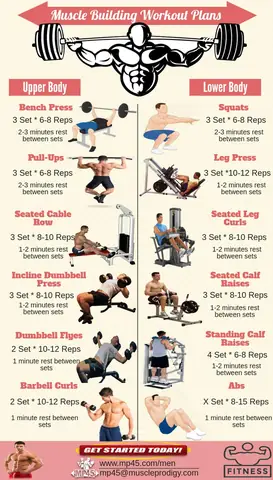
Here’s a practical example of a gym program for building muscle, designed for intermediate lifters:
Day 1: Chest and Back
- Barbell Bench Press: 4 sets of 8–10 reps
- Pull-Ups or Lat Pulldowns: 4 sets of 8–12 reps
- Incline Dumbbell Press: 3 sets of 10–12 reps
- Bent-Over Rows: 3 sets of 10–12 reps
- Push-Ups or Dips: 3 sets to failure
Day 2: Legs
- Barbell Squats: 4 sets of 6–8 reps
- Romanian Deadlifts: 3 sets of 8–10 reps
- Leg Press: 3 sets of 10–12 reps
- Bulgarian Split Squats: 3 sets of 10 reps per leg
- Calf Raises: 4 sets of 15–20 reps
Day 3: Shoulders and Arms
- Overhead Press: 4 sets of 8–10 reps
- Dumbbell Lateral Raises: 3 sets of 12–15 reps
- Barbell Bicep Curls: 3 sets of 10–12 reps
- Tricep Dips or Close-Grip Bench Press: 3 sets of 8–12 reps
- Hammer Curls: 3 sets of 10–12 reps
Day 4: Full-Body Circuit (Optional)
- Deadlifts: 3 sets of 5 reps
- Pull-Ups: 3 sets of 8–10 reps
- Push-Ups: 3 sets to failure
- Goblet Squats: 3 sets of 12 reps
- Plank: 3 sets of 30–60 seconds
Rest for 60–90 seconds between sets. Adjust weights and reps based on your fitness level.
The Role of Supplements in Muscle Building
While whole foods should form the base of your nutrition, supplements can complement your gym program. Whey protein powder is a convenient way to meet protein needs, especially post-workout. Creatine monohydrate enhances strength and power output during high-intensity exercises. Branched-chain amino acids (BCAAs) may reduce muscle soreness, and a multivitamin ensures you’re not missing essential micronutrients. However, supplements are not a substitute for a balanced diet and consistent training.
Tracking Progress and Staying Motivated
To stay on track, regularly assess your progress. Take monthly photos, measure muscle circumference, and record strength benchmarks. Celebrate small victories, like lifting heavier weights or improving your endurance. If motivation dips, revisit your goals and remind yourself why you started. Joining a gym community or working with a trainer can also provide accountability and fresh inspiration.
Conclusion
A successful gym program for building muscle combines progressive overload, compound exercises, proper nutrition, and consistent recovery. By avoiding common mistakes and following a structured plan, you can maximize your gains and achieve sustainable results. Remember, muscle growth is a long-term journey that requires patience and dedication. Stay committed, track your progress, and adjust your approach as needed. With the right mindset and strategy, your dream physique is within reach.
Start implementing these principles today, and watch your strength, endurance, and muscle mass soar. The path to building muscle is clear—now it’s time to take action.